 | Welcome to FSFA InternationalThe Florida State Florists' Association |
Proudly Serving the Floral Community for 105 Years
~~ Established 1921 ~~
| FSFA International is dedicated to educating the floral industry and the public. Our goal is to build relationships, promote the floral industry's interests, and unite our members with the industry and the public. |
|

Registration to Convention 2026 includes Viewing of the Gateway to The Americas Cup Competition and Festivities |
Sunlighting Extra is here!
|

Congratulations FSMD Class 2025-2026 |
Sharon Ivey FSMD Stephanie Navas FSMD Felica Goett CFD FDI FSMD Veronica Ruiz FSMD Sarah Rogers FSMD Celia Matthews FSMD Niania Torres FSMD Linda Rodriguez FSMD Andrea Herrick FSMD Vernice Thomas FSMD Linda Shellnut FSMD Aidana Beisenova FSMD Paula Castro FSMD Cathleen Lanigan FSMD Eddie Dooling FSMD |
|
-fotor-bg-remover-2023091393340.png)
Your Newest Florida State Master Designers |
Check Out Sunlighting (Click on the cover to open the flip book)  |
Are You a Member? Come Join Us! |
Membership is only $100 per Year
NEW * 2025-2026 Membership Certificate so you can proudly display
NEW * 2025-2026 Member Window Decal NEW * 2025-2026 Member Directory Access to exclusive Professional Development Opportunities Professional Networking Opportunities Educational Opportunities |  |
(CLICK THE BANNER ABOVE TO MAKE YOUR DONATION) Considering the circumstances from Helene, we encourage you to support our FSFA International Cares Program. Established by our Past President, Deborah De La Flor, the FSFA International Cares initiative was designed to assist members in mitigating the devastating effects that follow a natural disaster. Your generous contributions will provide critical support to affected members and their communities in urgent need. The funds raised through your donations can be utilized to procure essential supplies for cleanup efforts. We understand that many of our members are facing significant challenges due to severe flooding, wind damage, and the loss of their businesses. Please remember that no contribution is too small. While we recognize that not everyone may be able to offer financial assistance, I urge you to extend words of encouragement and support to those impacted. Sometimes, a listening ear and a compassionate voice can make an indelible difference. Your FSFA International President Michael Smith and the Board of Directors. |

2025 Award Winners |
Designer of the Year 2025 Sponsored by FSFA International Winner: Anna Dementieva AIFD, CFD, FSMD First Runner up: Heather Lockwood FSMD Second Runner up: Sharon Ivey AIFD, CFD, CEJ, GMF, FSMD, PFCI |
 Heather Lockwood FSMD |
Anna Dementieva AIFD, CFD, FSMD |
Sharon Ivey AIFD, CFD, CEJ, GMF, FSMD, PFCI |


FernTrust Cup 2025 - Sponsored by FernTrust, Inc Winner: Kimberly Williams FSMD 1st Runner Up: Sarah Rogers FSMD 2nd Runner Up: Anna Dementieva AIFD VFD FSMD |
FSFA Tablescape 2025 - Sponsored by Kuhn Flowers Winner: Anna Dementieva AIFD CFD FSMD 1st Runner Up: Mattie Young AIFD CFD FSMD 2nd Runner Up: Heather Lockwood FSMD |
FSFA Sunshine Cup 2025 Winner: Anna Dementieva AIFD CFD FSMD 1st Runner Up: Felica Goett CFD FDI FSMD 2nd Runner Up: Heather Lockwood FSMD |
Ian Prosser Bridal Bouquet Competition 2025 Sponsored by Botanica Design Studio Winner: Christine LeManna FSMD |

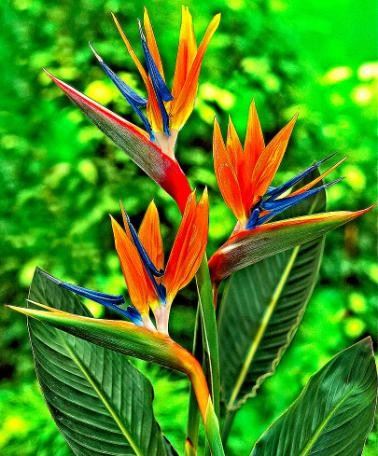 Upcoming EventsDid you know the official state flower of Florida is the Orange Blossom? | Tip and TricksThis Column Is For You, Our Valued Members Send your favorite tip along with pictures to executivedirector@fsfanow.com Florist Basics:
 | Do you have an event we need to know about? email your event information to: Executivedirector@fsfanow.com
|

| Call Us | Address: |